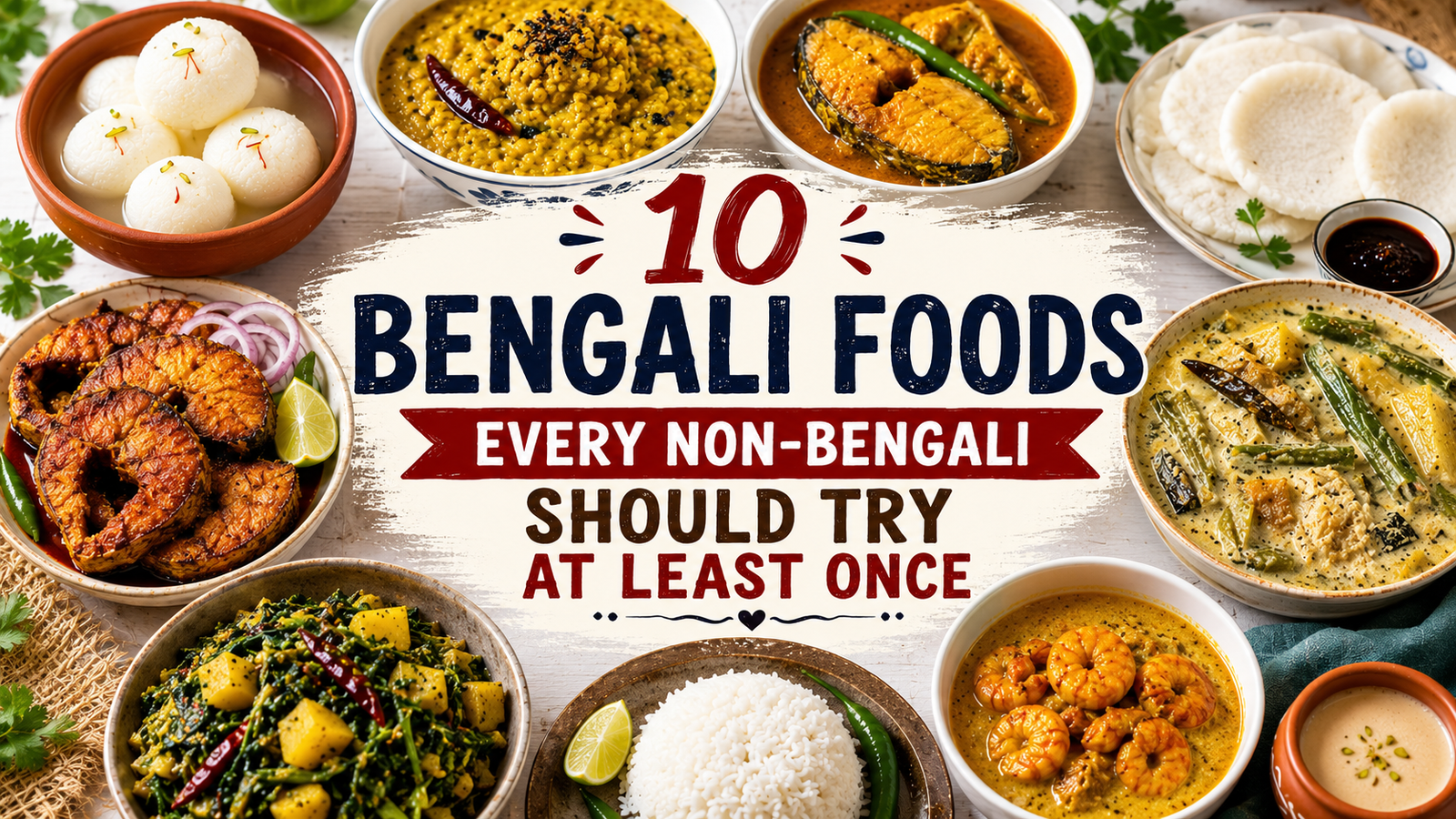
10 Bengali Foods Every Non-Bengali Should Try at Least Once
Ask someone who’s never explored Bengali cuisine what comes to mind, and you’ll usually get the same three answers: fish, mustard oil, and rasgulla. None of that is wrong — but it’s a bit like describing Italy by mentioning only pizza. There’s a whole world underneath.
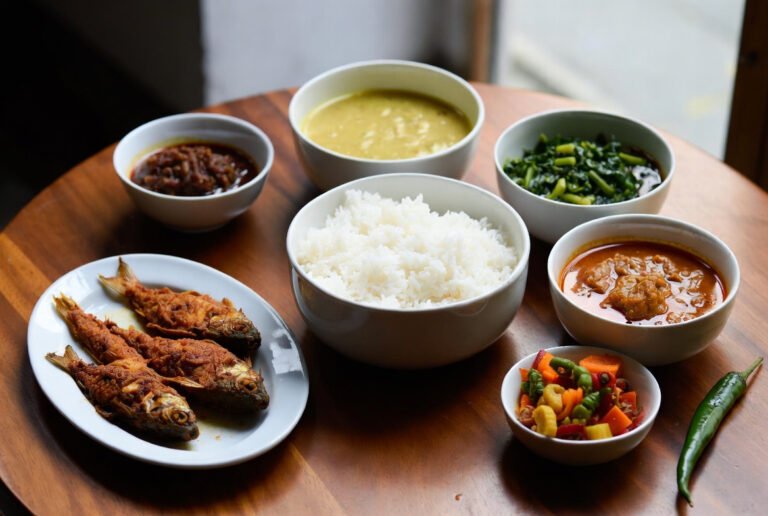
A Bengali meal is rarely just about the food. It’s mustard oil crackling in a pan before lunch even starts. It’s the sound of fish hitting hot oil from two rooms away. It’s an entire family circling a table that somehow always has room for one more dish. Every recipe here carries a story that’s been passed down, argued over, and perfected across generations.
What makes the cuisine work is restraint. The spices are bold but they never bury the ingredient underneath them — they just make it louder. A light vegetable dish and a rich fish curry can sit on the same plate and neither one shouts over the other.
If you’ve never eaten Bengali food, this is where to start. These aren’t just well-known dishes — they’re the ones that show up at festivals, get fought over at family lunches, and get remembered long after the plate is empty.
1. Shorshe Ilish (Hilsa in Mustard Gravy)
What it is: Fresh Hilsa fish, cooked gently in a mustard paste with green chilies and mustard oil.Fresh Hilsa fish is gently cooked in a mustard paste with green chillies and mustard oil. Thats’ all it needs. No long ingredient list, no elaborate technique.
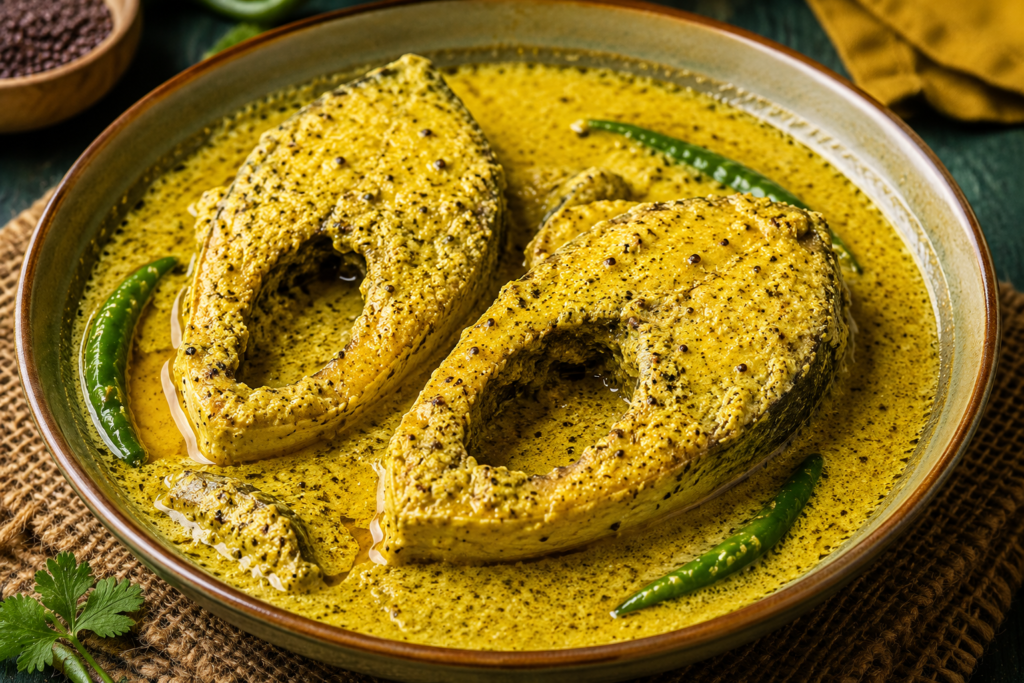
Why people love it: For Bengalis, Hilsa isn’t just a fish, it’s a season. The moment the monsoon arrives, households start watching the market for the first good catch, the way some cultures watch for the first snow. Mustard and Hilsa together create a flavor Bengalis will tell you, without irony, cannot be replicated with any other fish.
When it’s usually eaten: Monsoon season, festivals, and the kind of Sunday lunch that ends in a nap.
What it tastes like: Sharp mustard hits first, almost enough to catch in your nose, then softens into something buttery as the fish’s natural oil comes through. It’s a curry that argues with itself in the best way.
2. Kosha Mangsho
What it is: A slow-cooked mutton curry built on onions, yogurt, ginger, garlic, and whole spices, simmered until the gravy turns thick and nearly caramelized.
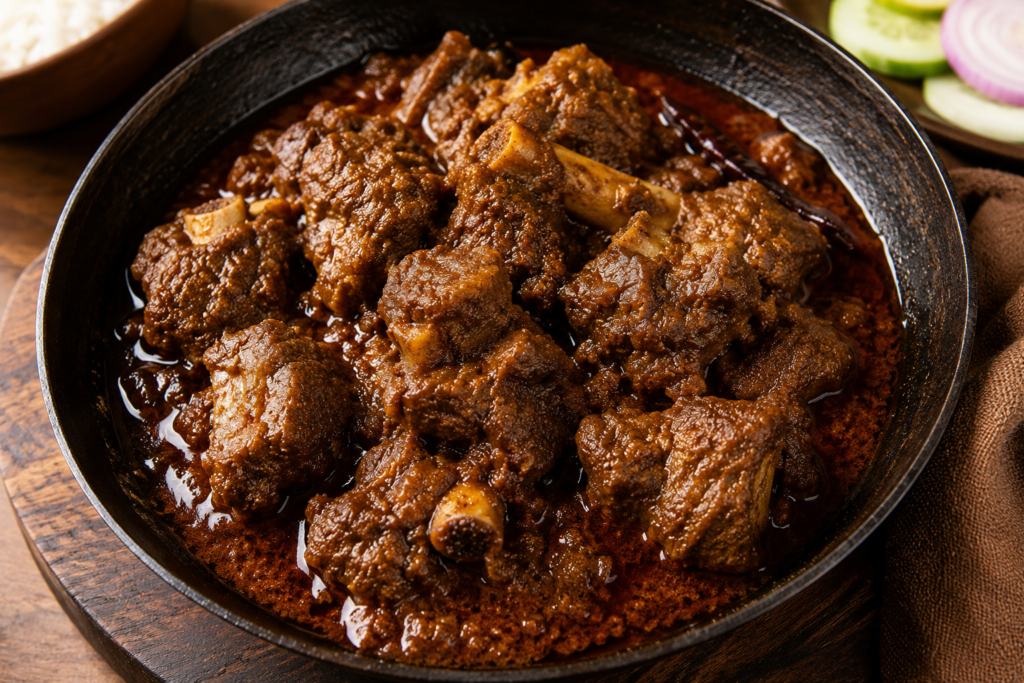
Why people love it: Most curries rush to the finish line. Kosha Mangsho refuses to. The onions cook down for so long they turn almost black, releasing a bitter-sweet depth no shortcut can fake — which is exactly why Bengali grandmothers still stand over the pot stirring for hours instead of minutes.
When it’s usually eaten: Weddings, Durga Puja, and any Sunday that calls for something heavier than usual.
What it tastes like: Smoke hits first, not spice. Then a slow burn from whole red chilies, cut by the sweetness of caramelized onion. The mutton itself needs no knife — a spoon does the job.
3. Luchi with Aloor Dom
What it is: Puffed, deep-fried bread made from refined flour, served with Aloor Dom — a mildly spiced potato curry.
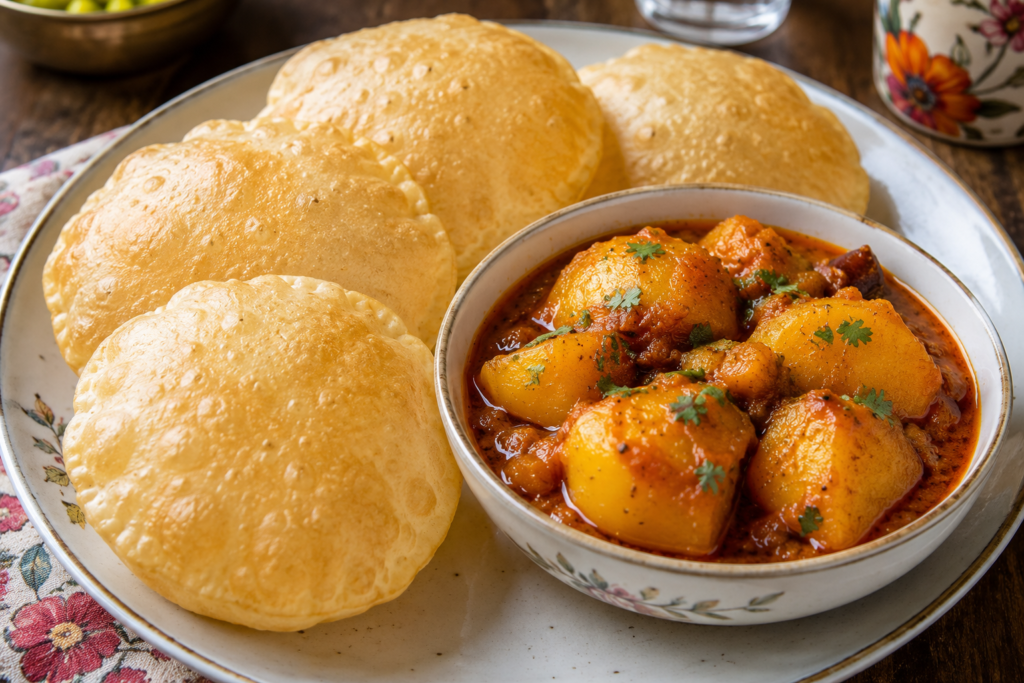
Why people love it: It’s the breakfast Bengali kids grow up requesting on weekends and the one dish that instantly signals “no rush today.” The fluffy luchi and the soft, spice-soaked potatoes were made to be eaten together.
When it’s usually eaten: Weekend mornings, Puja days, and family brunches that stretch past noon.
What it tastes like: The luchi puffs up light and slightly crisp at the edges, almost hollow inside. Tear it open and use it to scoop up the potato — the bread soaks up just enough gravy to turn each bite soft in the middle, crisp at the edge.
4. Macher Jhol
What it is: A thin, everyday Bengali fish curry with potatoes, tomatoes, and simple spices.
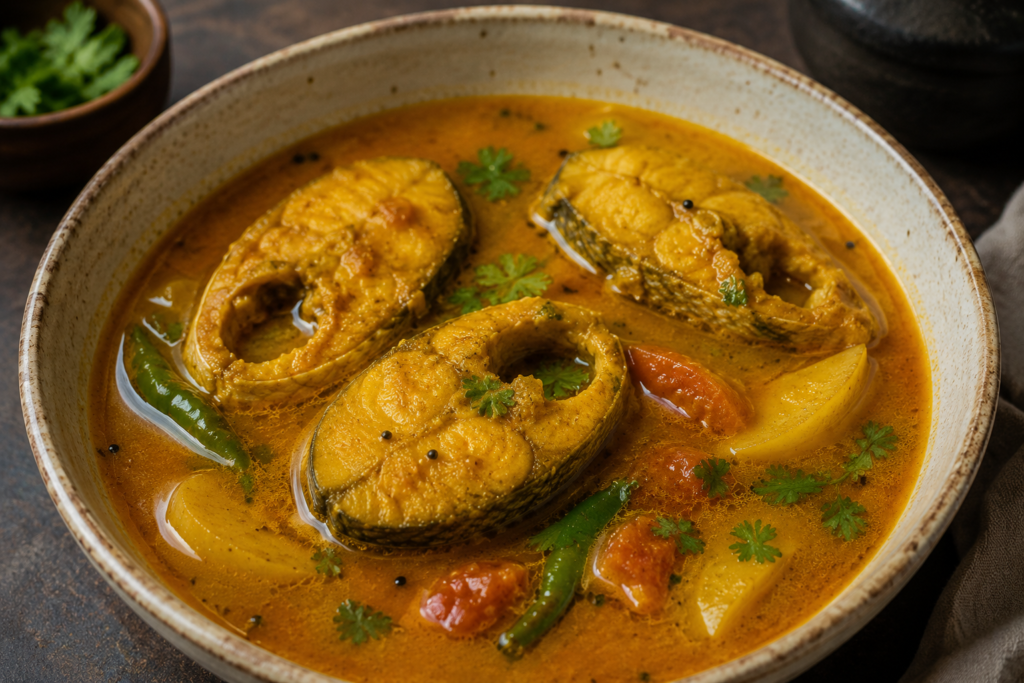
Why people love it: This is the dish that shows up on a random Tuesday, not just festivals. Many Bengali households make some version of it several times a week — it’s less a recipe and more a rhythm.
When it’s usually eaten: Everyday lunch, especially in summer when something lighter is welcome.
What it tastes like: Thin and brothy rather than heavy, with the tomato giving it a mild tang. It’s the kind of curry you don’t think about too hard — you just eat it with rice and go back for a second helping without noticing.
5. Chingri Malai Curry
What it is: Large prawns cooked in a creamy coconut milk gravy with whole spices.
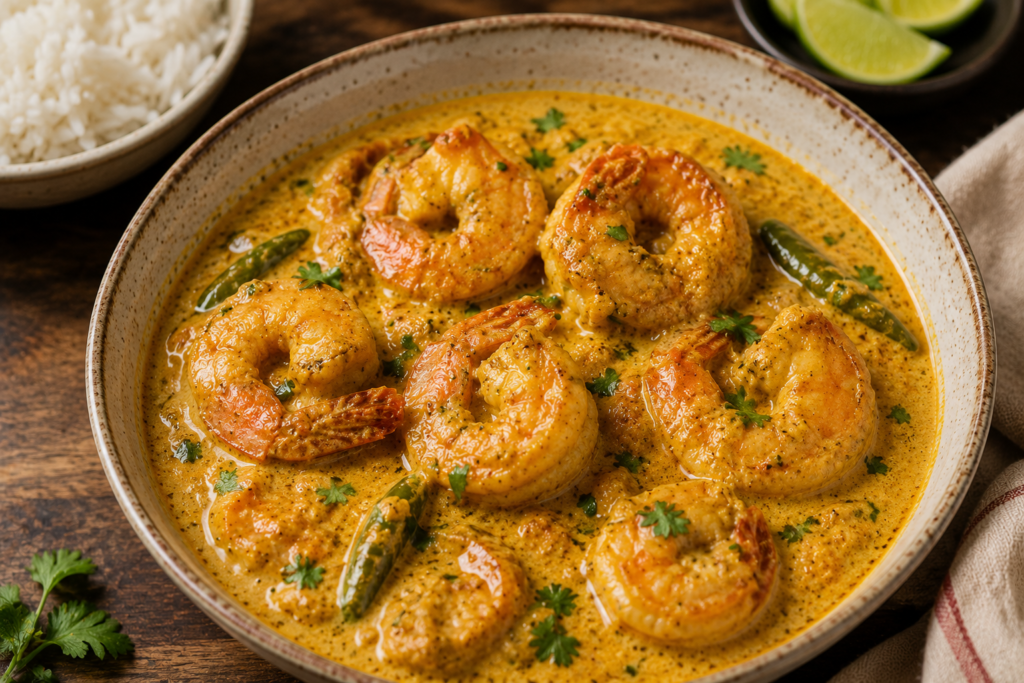
Why people love it: It looks like a special-occasion dish and tastes like one too, but never tips into heavy. The sweetness of the coconut milk plays against the prawn’s natural brininess instead of drowning it.
When it’s usually eaten: Weddings, anniversaries, and dinners where someone’s trying to impress.
What it tastes like: Silky and faintly sweet on the first spoonful, with the prawn’s saltiness cutting through right after. Whole spices — usually cardamom and bay leaf — linger in the background rather than announcing themselves.
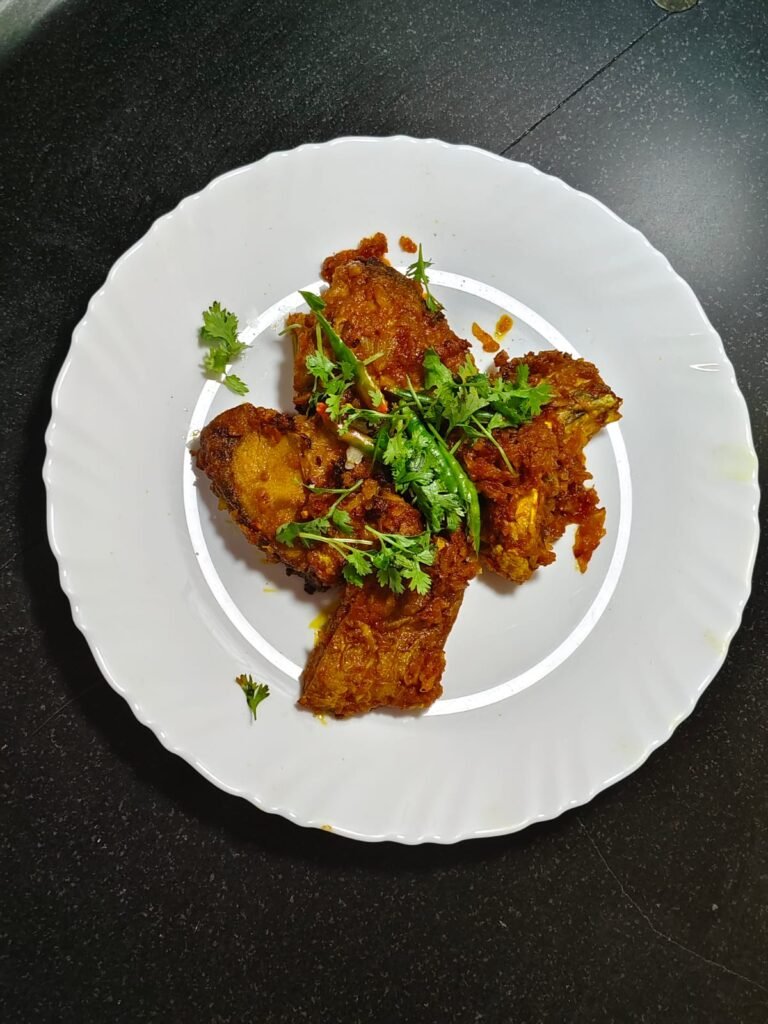
6. Katla Macher Masala Fry
What it is: Crispy fried Katla fish coated in an onion masala with mustard oil, fennel seeds, and green chilies — a step up from a plain fish fry.
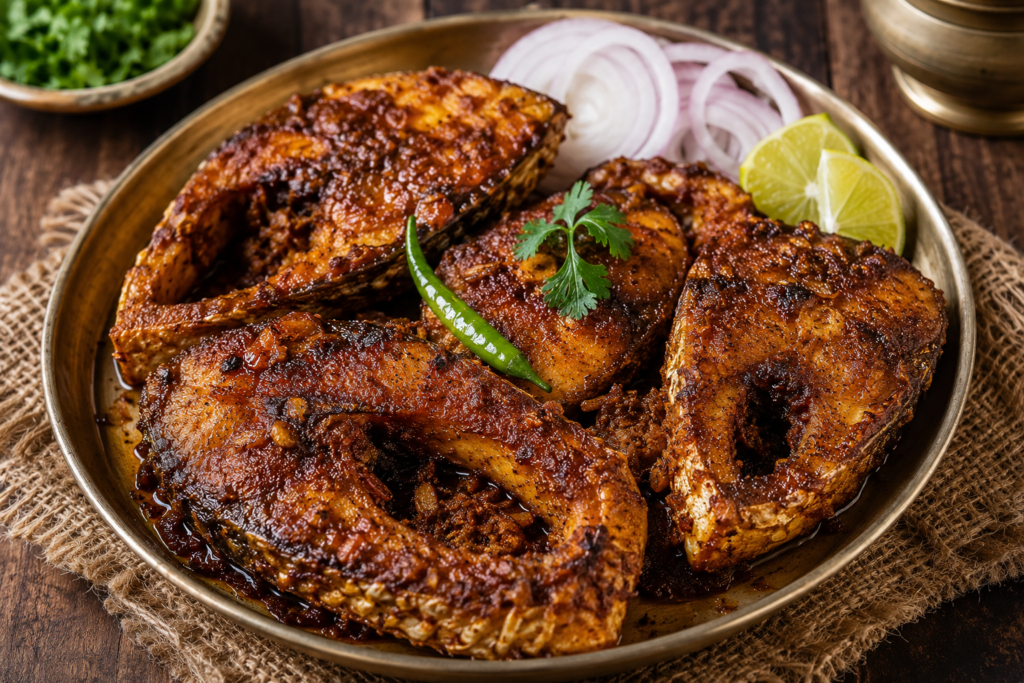
Why people love it: It walks a line most dishes can’t: simple enough for a weeknight, impressive enough for guests. The crunch on the outside gives way to fish that stays juicy, and the onion masala clinging to it does most of the flavor work.
When it’s usually eaten: Weekend lunches, rainy evenings, or as a starter before the main meal arrives.
What it tastes like: Crisp and slightly smoky from the mustard oil up front, then a juicy, flaky center once you bite through. The fennel seeds add a faint sweetness you might not catch until the second piece.
Want to try making it at home? Here’s our complete Katla Macher Masala Fry recipe on RannaSquare.
7. Shukto
What it is: A mixed vegetable dish built on bitter gourd, raw banana, potato, and drumsticks in a lightly spiced, creamy gravy.
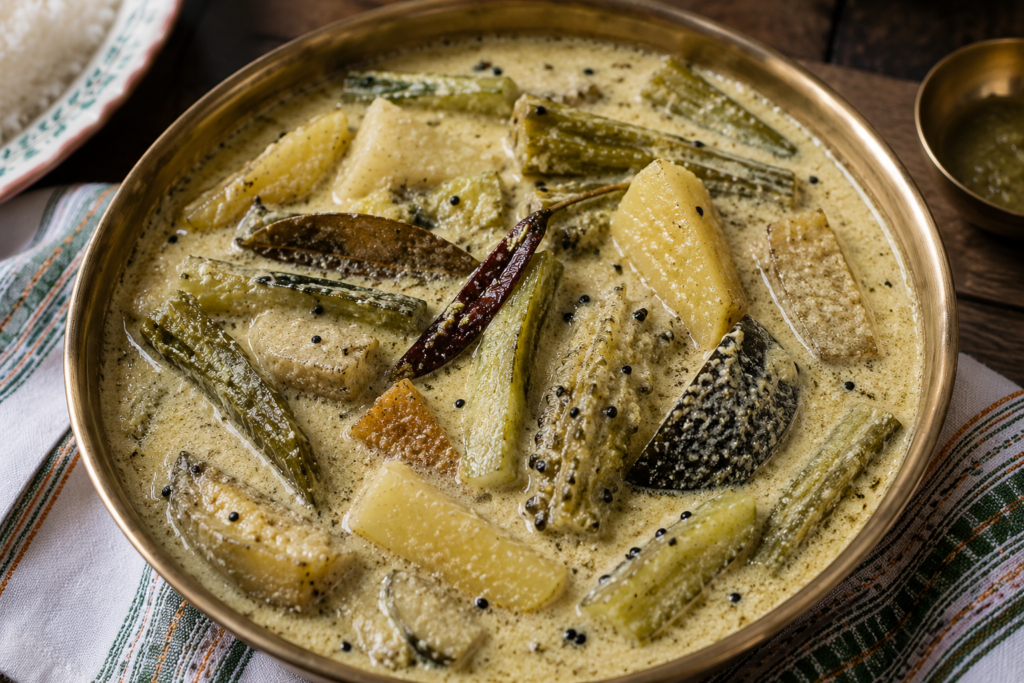
Why people love it: It doesn’t try to impress anyone at first bite, and that’s precisely its appeal. The bitterness from the gourd is meant to be there — it’s a dish that trades instant gratification for something you grow to actually crave.
When it’s usually eaten: Traditional Bengali lunches, often as the opening course before heavier dishes arrive.
What it tastes like: Mild and earthy, with a bitterness that catches you off guard the first time and feels oddly welcome by the third.
8. Pui Shaker Chorchori
What it is: A vegetable dish built around Malabar spinach and seasonal vegetables, cooked simply.
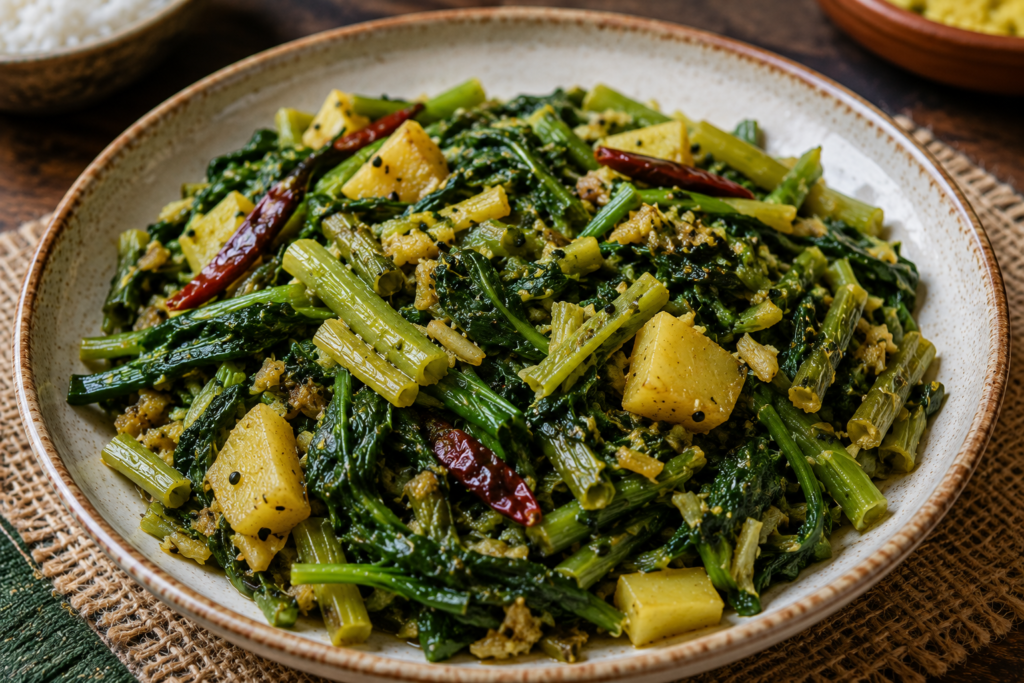
Why people love it: It’s cheap, it’s healthy, and it’s the dish most Bengalis associate with their mother’s or grandmother’s kitchen rather than any restaurant. Nobody orders this at a wedding — everyone eats it at home.
When it’s usually eaten: Everyday lunches, especially in vegetarian households.
What it tastes like: Soft and slightly earthy, with a natural sweetness from the vegetables that needs almost no seasoning to shine.
Want to try making it at home? Here’s our complete Pui Shaker Chorchori recipe on RannaSquare.
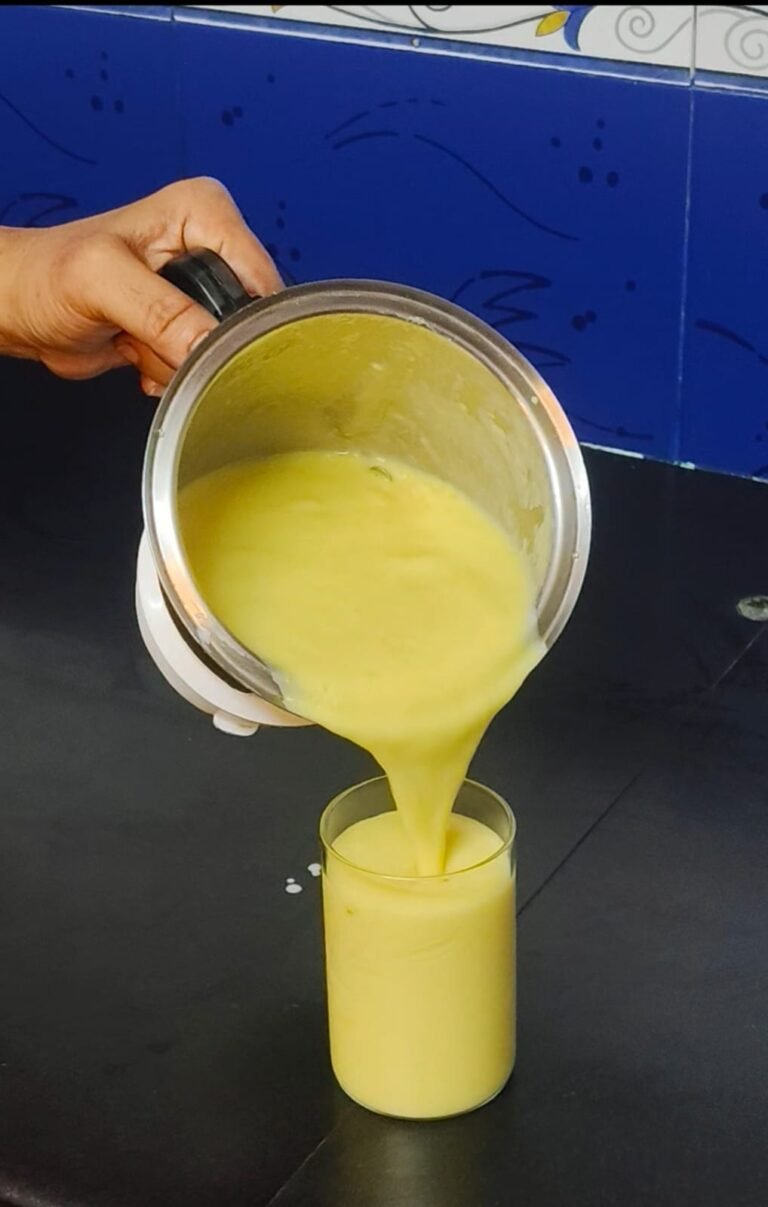
9. Mishti Doi
What it is: Bengal’s sweet yogurt, made by fermenting milk sweetened with caramelized sugar.
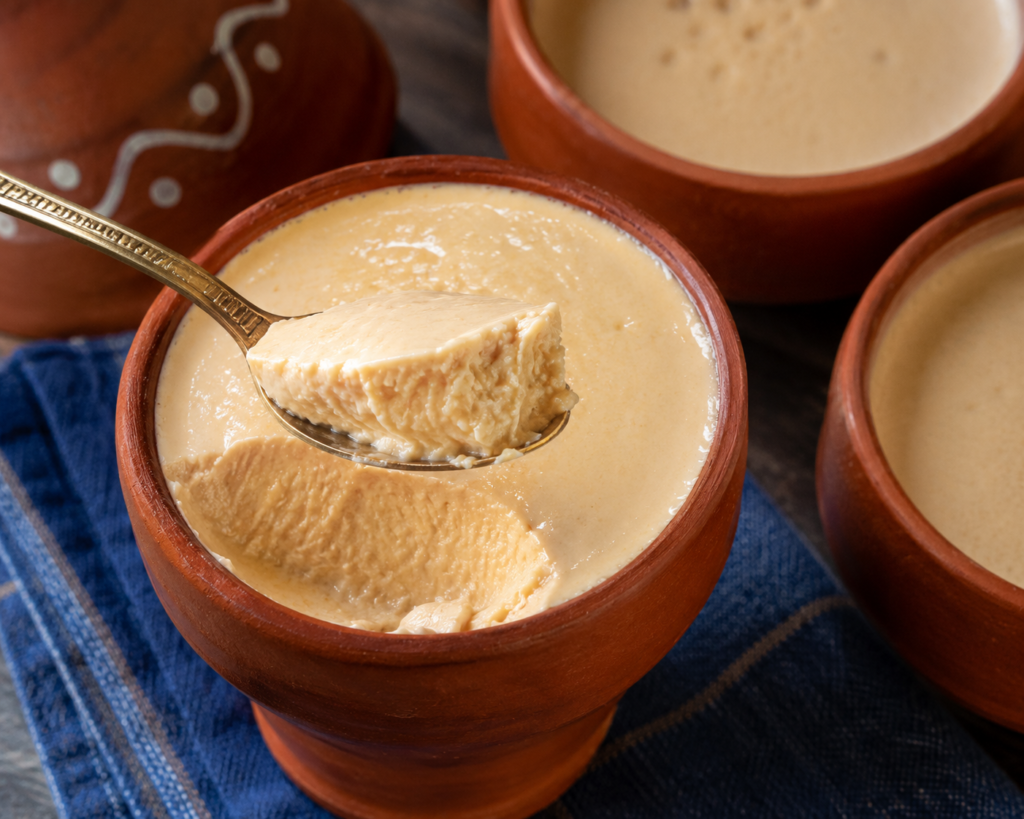
Why people love it: It’s proof that dessert doesn’t need to be complicated. Just milk, sugar, and time turn into something with a texture closer to custard than yogurt.
When it’s usually eaten: Festivals, weddings, or simply as the last bite after any meal.
What it tastes like: Smooth and faintly caramelized, with a sweetness that’s gentle rather than sugary — closer to burnt caramel than syrup.
10. Rosogolla
What it is: Soft cottage cheese balls cooked in light sugar syrup until spongy.
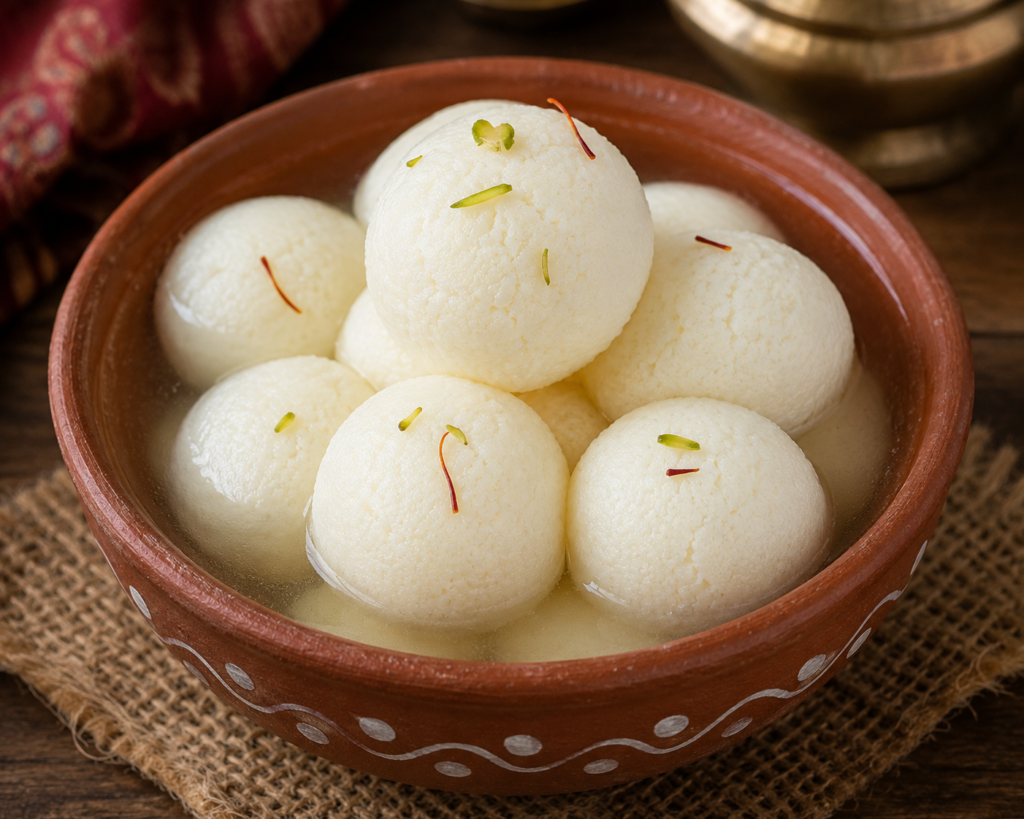
Why people love it: No Bengali celebration is complete without a plate of these showing up somewhere. There’s nothing fancy about the recipe — that’s exactly the point. Yet somehow, no celebration feels complete without it.
When it’s usually eaten: Birthdays, weddings, festivals — basically any excuse to celebrate.
What it tastes like: Light and juicy, syrup escaping with the first bite, sweetness that’s delicate rather than overwhelming.
A Final Bite
Bengali cuisine is bigger than the stereotypes it gets boxed into. Fish and sweets get the spotlight, but the real character of the cuisine lives in its balance — home-cooked comfort next to festival showstoppers, bitter gourd next to sweet yogurt, everyday fish curry next to slow-cooked mutton. Whether this is your first Bengali dish or your fiftieth, there’s always another one worth trying.
And who knows — the first bite might just send you into the kitchen to cook a few of these yourself. If this list has made you curious about Bengali food, you’re in the right place. At RannaSquare, you’ll find authentic Bengali recipes, everyday home cooking, and the stories behind the dishes that make Bengal’s cuisine so unforgettable.