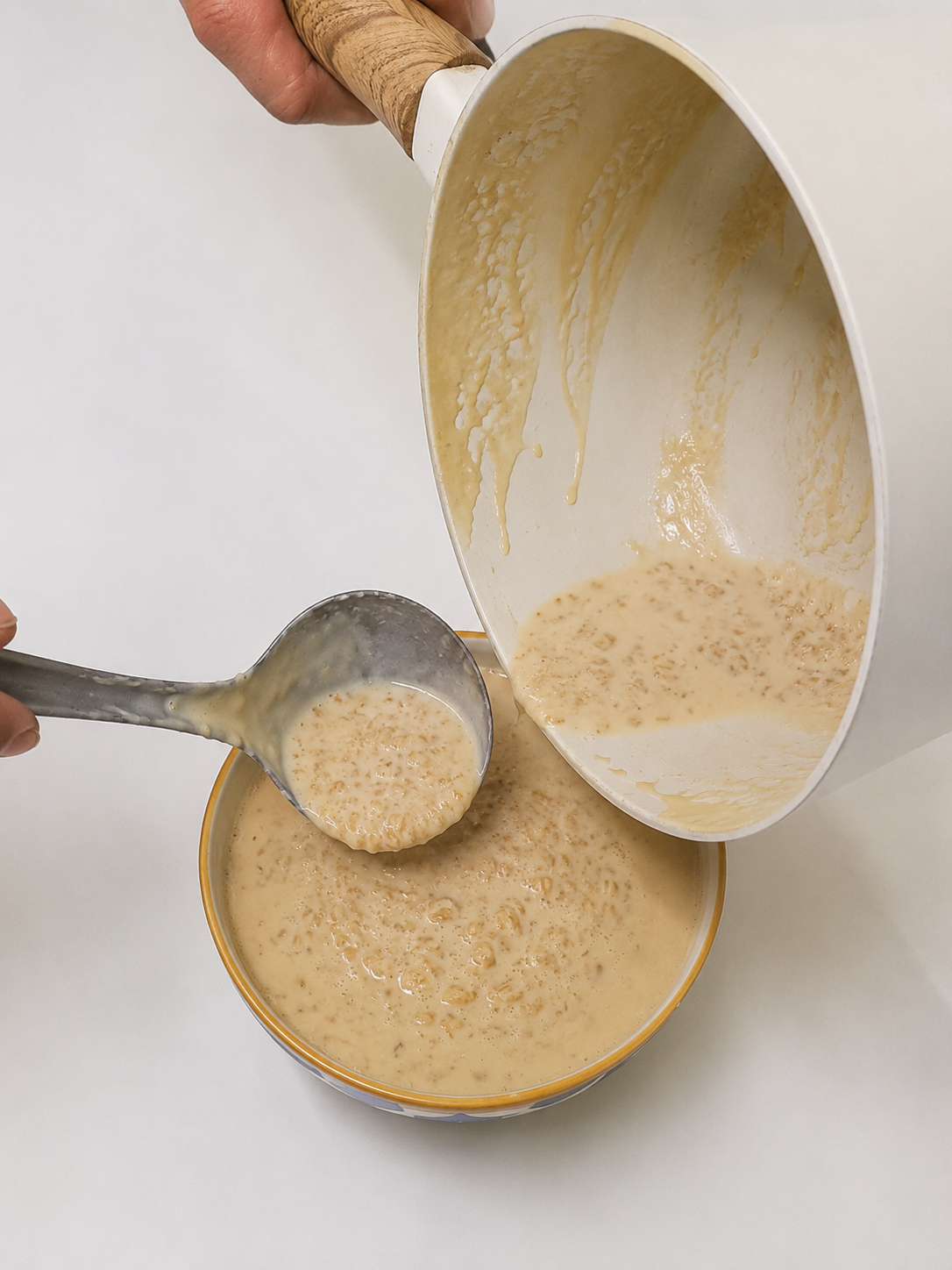
Patali Gurer Payesh (Bengali Rice Kheer Recipe)
Making Patali Gurer Payesh doesn’t call for any special skill — just a little patience and a gentle hand at every step.The whole dish rests on just three things — good full-cream milk, the right variety of rice, and real Patali Gur. Skimp on any one of them, and you immediately lose that true Bengali flavor everyone loves. There’s no shortcut here, no clever substitution that gets you the same result. The magic lies in slow, steady cooking — letting the milk reduce properly, letting the rice soften gently, and never rushing the process. It’s old-fashioned cooking through and through — and that’s exactly what makes it special.
Patali Gur is really the star of this recipe, and there’s simply no replacing it. Its deep, caramel-like sweetness, layered with a faint hint of smokiness, is something plain white sugar could never deliver, no matter how much you add. Once the jaggery melts into the hot milk and blends with the softened rice, it creates a texture that’s silky yet slightly grainy, along with an aroma that fills the entire kitchen. That combination is exactly what makes this Payesh so memorable — the kind of dessert people crave long after they’ve emptied the bowl, and end up making again and again.
“And if you make it with Gobindobhog rice — trust me, it tastes like absolute heaven.” – Rannasquare.
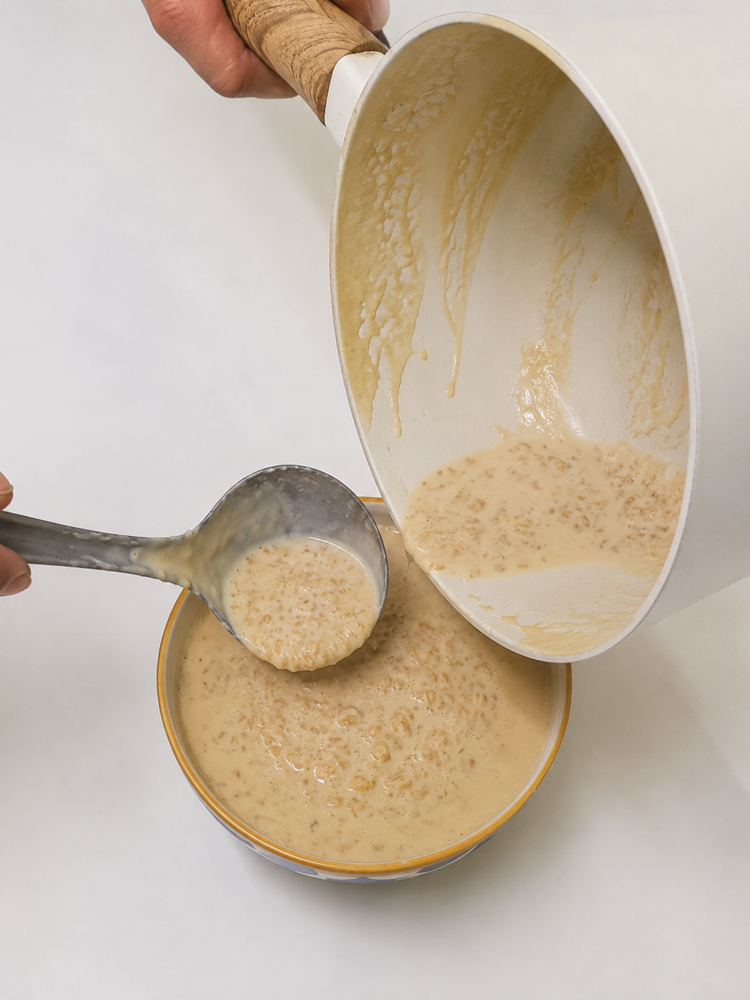
Patali Gurer Payesh, Simmered Slow and Served Warm
No rush, no shortcuts, just milk, rice, and jaggery coming together beautifully. The result speaks for itself. Every stirred minute, every bit of patience, all of it worth it. Because some things simply can’t be hurried, and this Payesh proves exactly that.
Patali Gurer Payesh (Bengali Rice Kheer)
Course: DessertCuisine: IndianDifficulty: Easy4
servings45
minutes45
minutes250
kcal1
hour30
minutesSilky, aromatic, and deeply comforting — a classic rice kheer made the traditional Bengali way with Patali Gur.
Ingredients
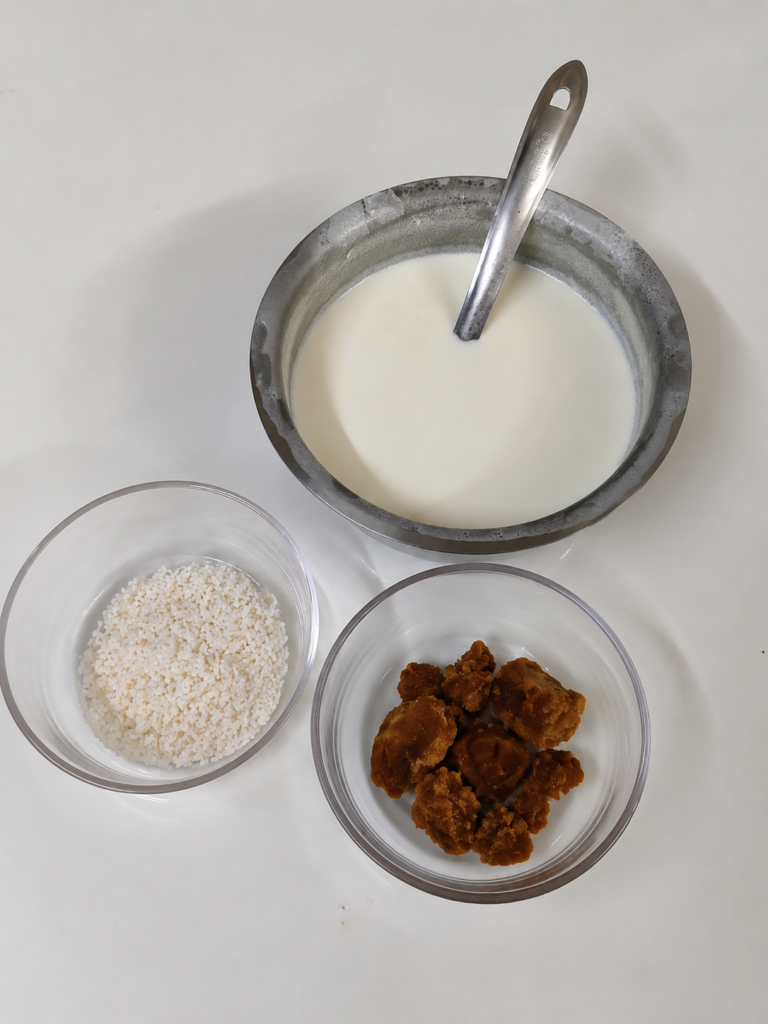
1 litre full-fat (full cream) milk
¼ cup Gobindobhog rice (or any short-grain aromatic rice), rinsed and soaked for 30 minutes
150 g Patali Gur, grated or chopped (adjust quantity to taste)
Directions
- Rinse the Gobindobhog rice under running water until the water runs clear, then soak it for 30 minutes. Drain thoroughly before use.
- In a heavy-bottomed pan, bring the full-cream milk to a gentle boil over medium heat, stirring occasionally to prevent a skin from forming on top.
- Lower the heat to medium-low and let it simmer, stirring frequently to keep the milk from catching at the bottom of the pan.
- Once the milk begins to bubble and turns slightly frothy, add the soaked, drained rice.
- Cook patiently until the rice grains turn soft and the milk reduces to a rich, creamy consistency — this usually takes 30-40 minutes.
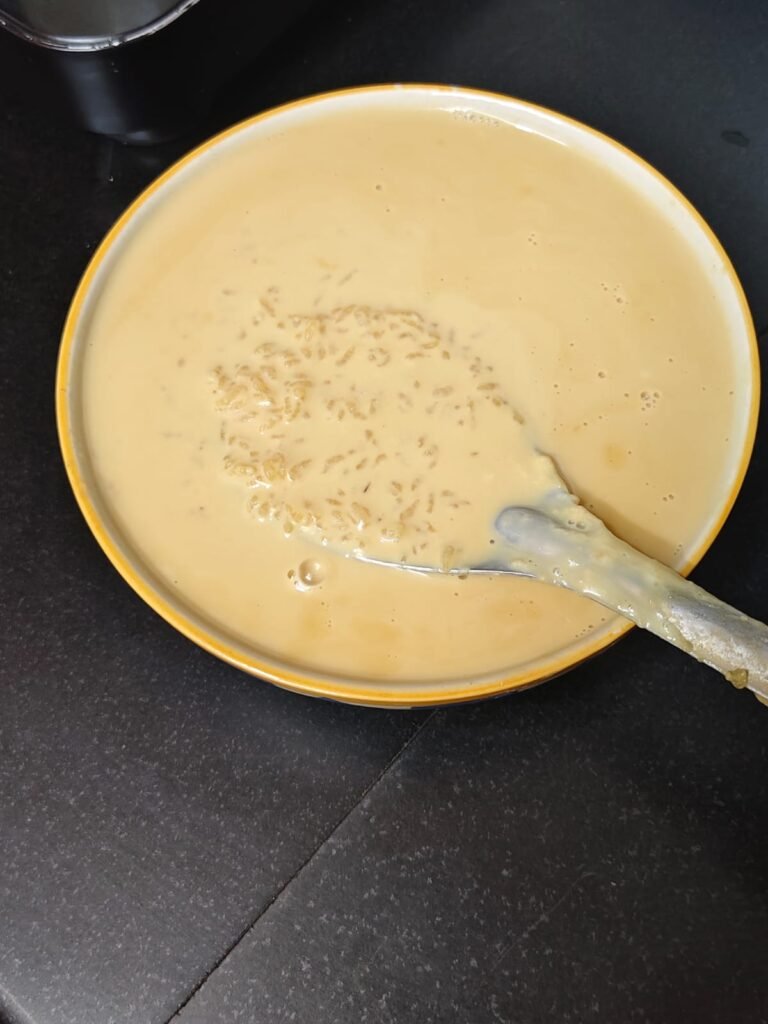
- Turn the heat down further and add the grated Patali Gur only once the rice is fully cooked. Stir continuously for 2-3 minutes until it dissolves completely and blends into the milk.
- Switch off the heat and allow the Payesh to rest for a few minutes — it will thicken slightly as it cools. Serve warm or chilled, as you prefer.
Recipe Video
Tips
- Soaking the rice beforehand not only speeds up cooking but also gives the Payesh its signature smooth, melt-in-the-mouth texture.
- Timing matters: always fold in the Patali Gur after the rice is fully cooked. Adding it too early can cause the milk to curdle.
- Patali Gur varies in sweetness from batch to batch, so taste and adjust the quantity as you go rather than measuring blindly.
FAQ’s
1.What is Patali Gur?
Patali Gur is date palm jaggery, made the old-school way by slow-boiling down sap tapped from palm trees during winter. It’s got this deep, caramel-like sweetness with a hint of smokiness that honestly, sugar just can’t replicate. It’s set into solid blocks, which is where the name “Patali” comes from.
2.What is Gobindobhog rice?
Gobindobhog is a short-grain, super aromatic rice from West Bengal. It’s naturally fragrant, cooks up soft, and gets slightly sticky, basically perfect for soaking up all that milk and turning creamy. If you’ve never cooked with it, this is the recipe to start with.
3.Can I make Bengali Payesh without Patali Gur?
Yes, absolutely. If Patali Gur isn’t available, you can substitute it with regular date jaggery or even sugar. That said, Patali Gur is what gives this Payesh its authentic winter flavour and deep, caramel-like aroma, so it’s worth seeking out if you can.
4. Why should I soak the rice before cooking?
Soaking the rice for about 30 minutes softens the grains slightly, helping them cook faster and more evenly. It also gives the final Payesh a smoother, creamier texture.
5. Why is the jaggery added at the end?
Patali Gur should always go in after the rice is fully cooked and the milk has thickened. Adding it too early, while the milk is still hot and actively simmering, can cause the milk to curdle.
6. Which rice is best for Bengali Payesh?
Gobindobhog rice is the traditional choice, prized for its natural fragrance and soft, delicate texture. If it’s not available, any short-grain aromatic rice works well as a substitute.
7. Can Payesh be served hot or cold?
Both work beautifully. Bengali Payesh tastes wonderful warm, at room temperature, or chilled for a few hours in the refrigerator, so you can serve it however you like.
8. How do I store leftover Payesh?
Keep it in an airtight container in the refrigerator for up to 2-3 days. If it thickens too much after chilling, just stir in a little warm milk before serving to loosen it back up.